Introduction:
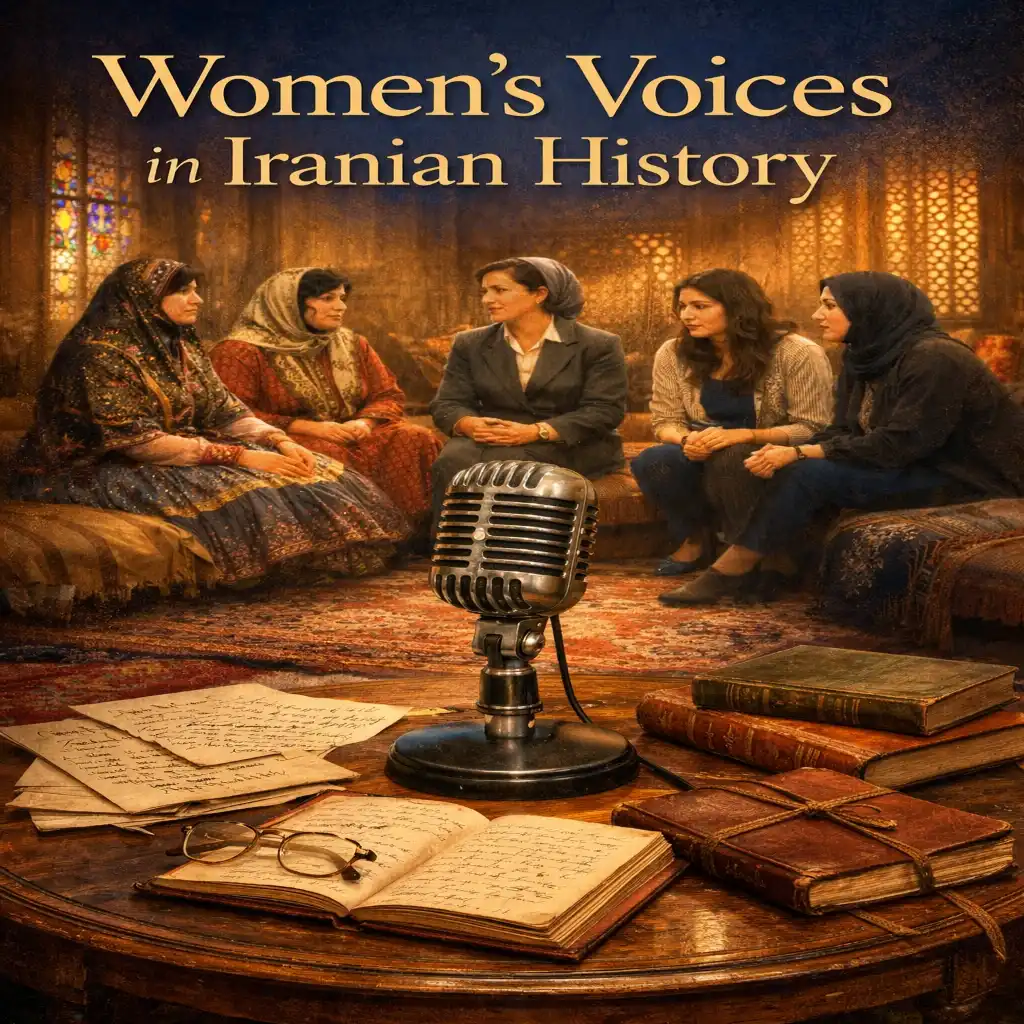
Women’s Voices in Iranian History explores the rich and diverse experiences of Iranian women through the lens of oral history. By collecting and analyzing first-hand narratives, the book highlights the roles women have played in shaping family life, participating in social and educational activities, and preserving cultural traditions. These oral accounts provide insights into aspects of Iranian history often overlooked in official records, emphasizing the personal, emotional, and cultural dimensions of women’s experiences.
Content and Themes:
The book is organized around key themes such as family life, community engagement, education, and cultural transformation. Through interviews and personal stories, it examines how women have negotiated societal expectations while actively contributing to the continuity and adaptation of cultural practices. The narratives reveal the ways in which women’s experiences reflect broader historical changes, including urbanization, modernization, and shifts in social norms.
Significance:
This work demonstrates the importance of oral history as a method for capturing marginalized voices, offering a more inclusive understanding of Iranian society. By foregrounding women’s perspectives, the book challenges traditional male-centered historical narratives and contributes to the study of gender, culture, and collective memory in Iran. It is a valuable resource for scholars of history, anthropology, gender studies, and Iranian cultural studies, while remaining accessible to a broader audience interested in understanding the lived experiences of Iranian women.
کتاب صدای زنان در تاریخ ایران تجربههای متنوع و غنی زنان ایرانی را از منظر تاریخ شفاهی بررسی میکند. با جمعآوری و تحلیل روایتهای دستاول، این اثر نقش زنان در شکلدهی به زندگی خانوادگی، مشارکت اجتماعی و آموزشی، و حفظ سنتهای فرهنگی را برجسته میسازد. روایتهای شفاهی ارائهشده، جنبههای شخصی، احساسی و فرهنگی تجربههای زنان را نشان میدهند و بخشهایی از تاریخ ایران را که در اسناد رسمی کمتر دیده شدهاند، آشکار میکنند.
محتوا و موضوعات:
کتاب حول محورهای کلیدی مانند زندگی خانوادگی، مشارکت اجتماعی، آموزش و تغییرات فرهنگی سازماندهی شده است. از طریق مصاحبهها و داستانهای شخصی، کتاب نشان میدهد که زنان چگونه با انتظارات اجتماعی کنار آمده و در حفظ و بازتولید سنتهای فرهنگی نقش فعال داشتهاند. این روایتها همچنین نشاندهنده تحولات گسترده تاریخی، از جمله شهرنشینی، مدرنیته و تغییرات هنجارهای اجتماعی هستند.
اهمیت:
این اثر اهمیت تاریخ شفاهی را در ثبت صداهای حاشیهنشین و ارائه تصویری جامعتر از جامعه ایرانی نشان میدهد. تمرکز بر دیدگاه زنان، روایتهای سنتی مردسالارانه را به چالش کشیده و به مطالعات جنسیت، فرهنگ و حافظه جمعی در ایران کمک میکند. این کتاب منبعی ارزشمند برای پژوهشگران تاریخ، مردمشناسی، مطالعات زنان و مطالعات فرهنگی ایران است و برای خوانندگان عمومی علاقهمند به درک تجربههای زیسته زنان ایرانی نیز قابل استفاده و الهامبخش خواهد بود.