Introduction
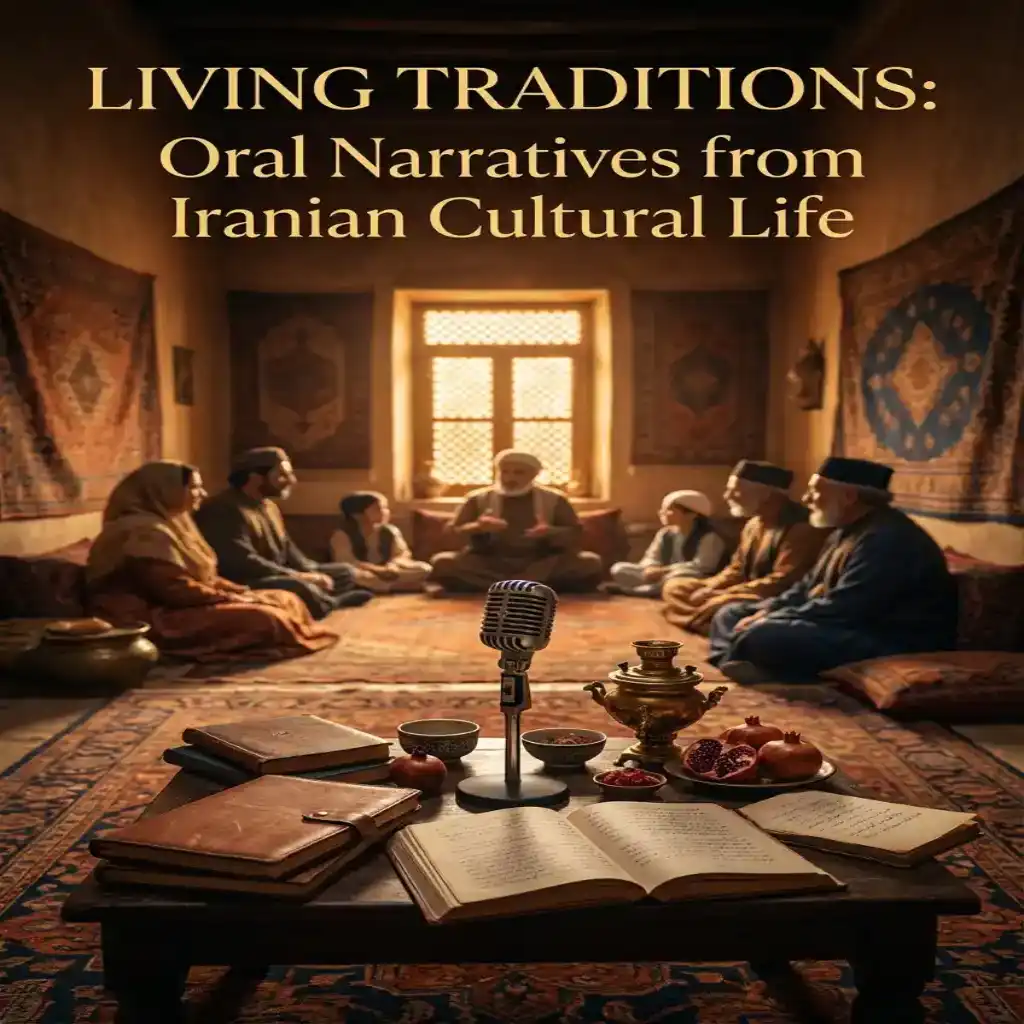
Living Traditions: Oral Narratives from Iranian Cultural Life explores the rich and diverse world of Iranian cultural practices through the lens of oral history. The book focuses on how traditions, beliefs, and everyday rituals are preserved, transformed, and transmitted across generations. By centering on lived experiences rather than written records, the work highlights the enduring role of oral narratives in shaping cultural identity and collective memory.
ترجمه فارسی:
کتاب سنتهای زنده؛ روایتهای شفاهی از زندگی فرهنگی ایران به بررسی جهان غنی و متنوع فرهنگ ایرانی از منظر تاریخ شفاهی میپردازد. این اثر بر چگونگی حفظ، دگرگونی و انتقال سنتها، باورها و آیینهای روزمره در گذر نسلها تمرکز دارد. کتاب با تکیه بر تجربههای زیسته بهجای اسناد رسمی، نقش ماندگار روایتهای شفاهی را در شکلگیری هویت فرهنگی و حافظه جمعی برجسته میکند.
Traditions as Living Cultural Practices
In this book, Iranian traditions are not presented as static remnants of the past but as living practices continuously shaped by social change. Rituals, ceremonies, and everyday customs are explored as dynamic expressions of cultural identity that adapt to historical, social, and generational transformations.
Through oral narratives, the book reveals how individuals and communities reinterpret traditions in response to changing realities, thereby keeping cultural heritage alive and meaningful.
ترجمه فارسی:
در این کتاب، سنتهای ایرانی نه بهعنوان بازماندههایی ایستا از گذشته، بلکه بهعنوان کنشهایی زنده و پویا معرفی میشوند که همواره تحت تأثیر تحولات اجتماعی دگرگون میگردند. آیینها، مناسک و عادتهای روزمره بهعنوان نمودهای هویت فرهنگی بررسی میشوند که در بستر زمان معناهای تازه مییابند.
روایتهای شفاهی نشان میدهند که افراد و جوامع چگونه سنتها را بازتفسیر کرده و آنها را با شرایط نوین زندگی سازگار میسازند.
Oral Narratives and Cultural Memory
A central theme of the book is the relationship between oral narratives and cultural memory. Oral history serves as a bridge between personal experience and collective identity, allowing voices often excluded from official histories to be heard. Through stories of family life, community rituals, and everyday experiences, the book captures how memory operates as a living archive.
These narratives preserve not only events but emotions, values, and worldviews that define cultural continuity.
ترجمه فارسی:
یکی از محورهای اصلی کتاب، پیوند میان روایتهای شفاهی و حافظه فرهنگی است. تاریخ شفاهی بهعنوان پلی میان تجربه فردی و هویت جمعی عمل میکند و امکان شنیده شدن صداهایی را فراهم میسازد که در تاریخ رسمی کمتر دیده میشوند. روایتهای خانوادگی، آیینهای جمعی و تجربههای روزمره نشان میدهند که حافظه فرهنگی چگونه بهعنوان آرشیوی زنده عمل میکند.
این روایتها تنها رویدادها را ثبت نمیکنند، بلکه ارزشها، احساسات و نگرشهایی را منتقل میسازند که بنیان فرهنگ را شکل میدهند.
Living Traditions in Contemporary Life
A key contribution of the book is its exploration of how traditional practices continue to exist within modern Iranian society. Rather than disappearing, many traditions evolve and adapt, finding new meanings in contemporary contexts. The book illustrates how rituals related to family, community, and belief systems remain deeply embedded in everyday life.
By examining these living traditions, the book challenges the notion that modernity and tradition are in conflict, presenting instead a dynamic relationship between continuity and change.
ترجمه فارسی:
یکی از مهمترین دستاوردهای این کتاب، بررسی حضور سنتها در زندگی معاصر است. برخلاف تصور رایج، بسیاری از سنتها نهتنها از میان نرفتهاند، بلکه با شرایط جدید سازگار شده و معانی تازهای یافتهاند. آیینهای خانوادگی، اجتماعی و اعتقادی همچنان بخش جداییناپذیر زندگی روزمره هستند.
کتاب با این رویکرد نشان میدهد که سنت و مدرنیته نه در تقابل، بلکه در تعامل با یکدیگر قرار دارند.
Conclusion
Living Traditions: Oral Narratives from Iranian Cultural Life offers a nuanced and human-centered perspective on Iranian culture. By foregrounding oral history and lived experience, the book provides valuable insights into how traditions are maintained, transformed, and reimagined over time. It serves as an important contribution to the fields of cultural studies, anthropology, and Iranian studies, while remaining accessible to a broad audience interested in understanding the deeper layers of cultural life.
ترجمه فارسی:
کتاب سنتهای زنده؛ روایتهای شفاهی از زندگی فرهنگی ایران نگاهی انسانی و ژرف به فرهنگ ایرانی ارائه میدهد. این اثر با تمرکز بر تاریخ شفاهی و تجربههای زیسته، نشان میدهد که سنتها چگونه حفظ، بازآفرینی و بازتعریف میشوند. کتاب، منبعی ارزشمند برای پژوهشگران حوزه فرهنگ، مردمشناسی و مطالعات ایرانی است و در عین حال برای خوانندگان عمومی نیز قابلفهم و الهامبخش خواهد بود.